×
Feed
Raw materials
Feed additives
Feed processing
The industry
Top tips
Interviews – feed sector
Market
Grain futures
Feed additive prices
Market trends
Feed statistics
Focus Topics
New proteins
Mycotoxins
Special editions
Our other sites
Pig Progress
Poultry World
Dairy Global
Future Farming
All About Feed Forum
Register
Log In
Webinars
Digital magazine
Advertise
Newsletter
Subscribe
Feed
Raw materials
Feed additives
Feed processing
Species feed
The industry
Interviews – feed sector
Top tips
Market
Grain futures
Feed additive prices
Market trends
Feed statistics
Focus topics
New proteins
Mycotoxins
Soy
Circular Agriculture
Special editions
Our sites
Pig Progress
Poultry World
Dairy Global
Future Farming
Gateway to the global feed industry
nutrition
31-07-2023
| Interview
David Blakemore, CEO Trouw Nutrition: “Our challenges will help us all do better”
10-05-2023
| News
DSM-Firmenich launches with animal health unit
03-11-2022
| Article
Unlocking protein’s full potential profitably
07-10-2022
| Partner
Least cost formulation: definition remains, inputs change
06-07-2022
| News
Webinar on demand: Potential of GAA supplementation in broiler diets
Premium
13-06-2022
| Article
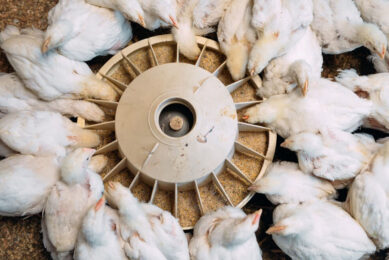
Light colour affects poultry feed uptake and performance
11-04-2022
| Partner
Re-evaluating your trace mineral strategy
25-03-2022
| News
Coming soon webinar: Volatility – Challenges in animal feeding
Premium
10-09-2021
| Article
Benefits of pellet binders using natural sources like seaweed
07-06-2021
| Article
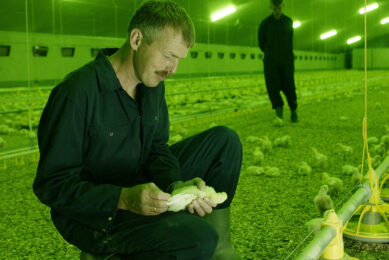
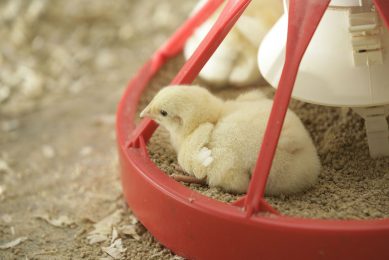
Making every broiler chick fit to survive
Navigatie
1
2
…
21
next
Market prices
Special editions
Beheer
WP Admin
Bewerk bericht










 Beheer Beheer
 WP Admin
  Bewerk bericht