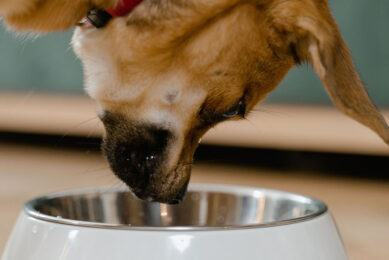
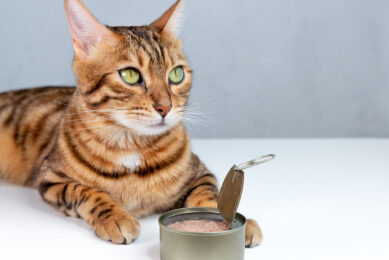
The pet food industry is a booming industry and can be compared with the human food industry in terms of marketing and purchasing behaviour. This dynamic sector is marked by increased use of (natural) ingredients and animal (specie) specific products.
Introduction
Changes in demand for pet food, as a result of the increasing humanisation of
pets and an increasing interest in the nutritional and health requirements of
animals, are creating significant opportunities for manufacturers to develop
higher value products. The days when owners fed all dogs the same dog food and
all cats the same cat food are long gone. Read more >
Pet food product development
Each pet food manufacturer has its own
procedure for developing a new product or modifying a current brand. The basic
procedures are in short described here. Read more >
Premixes in pet food
The premix business is an essential component of the success and growth of
the pet food industry. Read more >
Palatants
Palatability is a term used to describe how well a dog or cat likes the
taste, smell, and texture of a food. A premium pet food manufacturer spends a
considerable amount of time conducting controlled feeding studies to determine
the right combination of ingredients and processing techniques to produce a
nutritious, palatable food. Read more >
Nutrition and pet health
Many of the recent advances in pet nutrition have
evolved from investigations to understand in more detail the physiological
requirements of the animal. Read more >
Nutrigenomics
Nutrigenomics is an emerging science that
investigates how individual nutrients, or their metabolites, interact with the
mammalian genome to regulate the structure or expression of genes.
Read more >
Melamine scare
On March 17, 2007 Menu Foods, Inc. a major manufacturer of dog and cat food
in North
America recalled 60 million containers of wet food
after it received reports of pets suffering
kidney failure. Read more >
Toxins
Toxins, and especially mycotoxins, are a severe
problem in the animal feed industry. Mycotoxins are toxins produced by
mushrooms, molds and yeasts and come to the forefront when maize or grain are
badly stored (in wet areas for example). Read more >
Pet food processing
Pet food is of great importance worldwide, and the production is steady
growing and with an ever increasing development in processing methods. New
equipment and techniques improve the feeding value of pet food.
Read more >
Company links
The European Union contains around 450 specialised
pet food companies to serve the demand for the 60 million cats and 56 million
dogs in the EU. Read more >