ALL ABOUT'S...

MYCOTOXINS
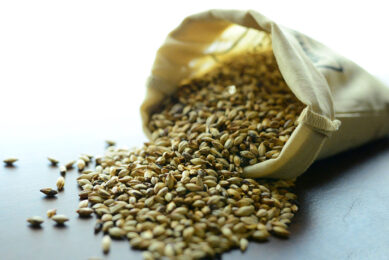
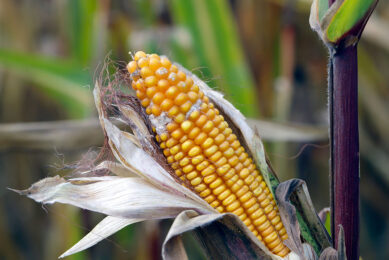
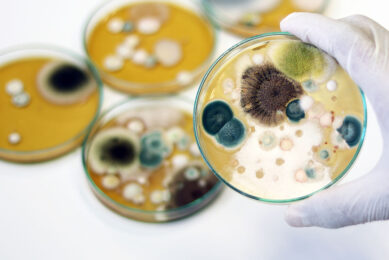
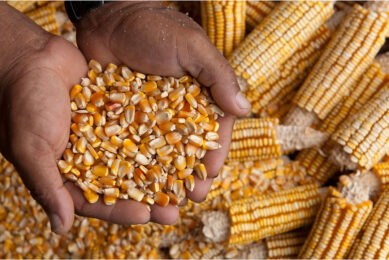
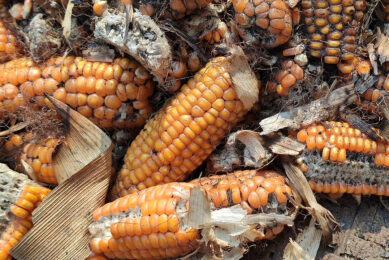
Mycotoxins are toxins produced by mushrooms, moulds and yeasts. If maize or grain for example is badly stored, fungus may grow on it and may produce mycotoxins. If this contaminated grain or maize is fed to animals, it may cause severe problems (death, fertility problems etc). Read more…
Introduction

Mycotoxins are a severe problem in the animal feed industry, as 25% of the world grain is contaminated with one or more mycotoxins. Besides the suffering of the animals, great economic losses are the consequence. Many companies therefore often myc...

read more 
Different mycotoxins

Aflatoxins are produced by the common soil microorganism Aspergillus flavus. This mould is prevalent among feeds in the southern U.S., particularly in corn, but may occur in other grains when conditions are hot and dry, growing best between 30 and...

read more 
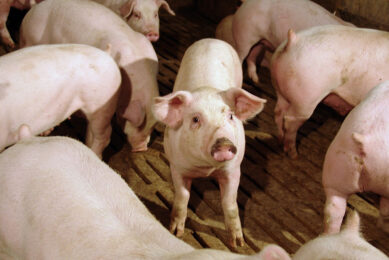
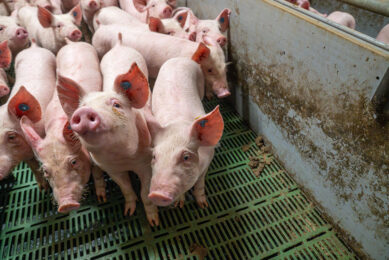
Mycotoxins in pigs

Feed that is contaminated with mycotoxins is a serious risk for pig producers. A pig that has consumed aflatoxins does not exhibit characteristic clinical signs. Symptoms may include feed refusal, reduced growth, paleness and jaundice. The latter ...

read more 
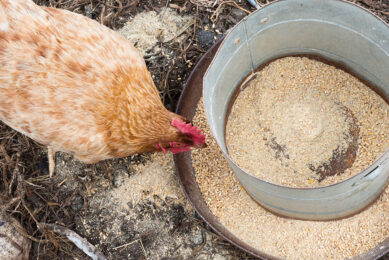
Mycotoxins in poultry

Mycotoxicosis is difficult to diagnose as symptoms are very common (Table 2) and affect more than one organ. Although large doses of mycotoxins are needed to kill a broiler, contaminated feed can greatly reduce broiler performance resulting in ser...

read more 
Mycotoxins in ruminants

The effects of mycotoxins in cattle may vary from reduced weight gains or milk production, according to information from the Canadian Ministry of Agriculture, Food and Rural affairs.

read more 
Mycotoxins in horses

Although the effects of mycotoxins in horses are not well documented in scientific literature, reports from practice may show a different picture. Mycotoxins have been implicated with various horse health problems, including decreased appetite, co...

read more 
Mycotoxins in pets

When we include more cereals in dry pet food the risk of mycotoxicoses also increases. Most obviously affected are dogs and cats, but mainly because cases are identified.

read more 
Mycotoxins in aquaculture

The contamination of feeds and raw materials by mycotoxins is increasing on a global basis. While the effect of mycotoxins is well known in most terrestrial farm animals the effect of mycotoxins on aquaculture species has not been studied extensiv...

read more 
Different mycotoxin binders

The best method adopted till date to control the mycotoxins in animal feed is the use of clayey soil of specific nature. These clays have the capacity to bind mycotoxins in the GI tract, avoid their absorption and ensure their elimination.

read more 
Mycotoxin test kits

Procedures for sampling and submitting grains and feeds for laboratory analyses are important in confirming the presence of mycotoxins. It is crucial that representative samples be collected. Small samples of grain or complete feed should be taken...

read more 

Result 1-10 of 13 1 2 Next ›


Ethanol News Up-date

Global Animal Feed Production Statistics

RBI