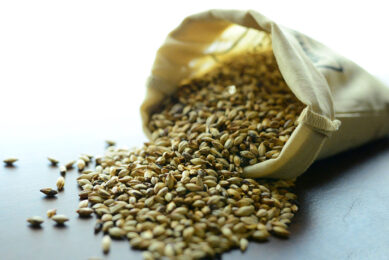
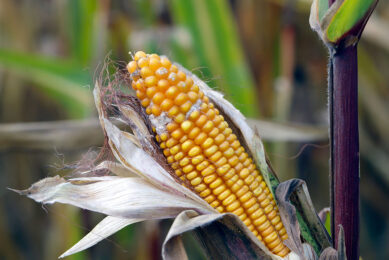
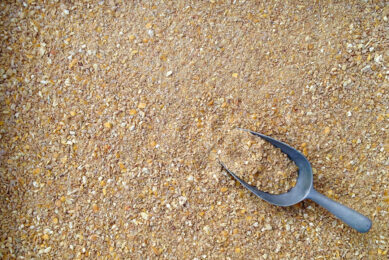
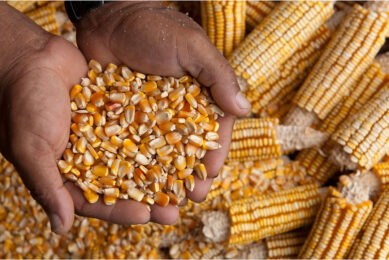
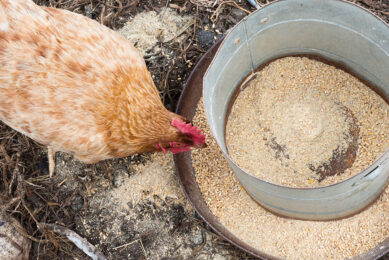
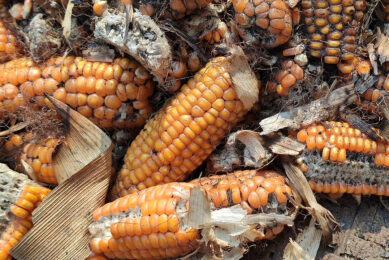
Mycotoxins are toxins produced by mushrooms, moulds and yeasts. If maize or grain for example is badly stored, fungus may grow on it and may produce mycotoxins. If this contaminated grain or maize is fed to animals, it may cause severe problems (death, fertility problems etc).
Introduction
Mycotoxins are a severe problem in the animal feed
industry, as 25% of the world grain is contaminated with one or more mycotoxins.
Besides the suffering of the animals, great economic losses are the consequence.
Many companies therefore often mycotoxin binders, products that absorb these
toxins from the feed. Most of these mycotoxin binders are based on clay. Also
organic acids are often added to the feed to kill or inhibit the growth of
mycotoxins (because of the reduction on pH).
Read more >
Different mycotoxins
Aflatoxins are produced by the common soil
microorganism Aspergillus flavus. This mould is prevalent among feeds in the
southern U.S., particularly in corn, but may occur in other grains when
conditions are hot and dry, growing best between 30 and 40°C. A. flavus commonly
grows during the storage of summer crops, but can also affect wheat and barley.
Aflatoxins may be produced within 2 to 6 weeks of
infestation. Read more >
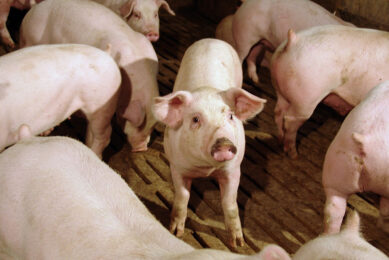
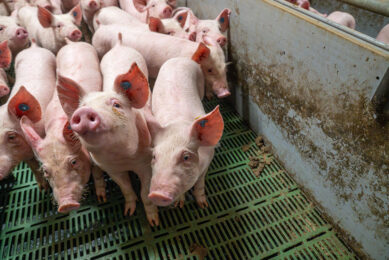
Mycotoxins in pigs
Feed that is contaminated with mycotoxins is a serious
risk for pig producers. A pig that has consumed aflatoxins does not exhibit
characteristic clinical signs. Symptoms may include feed refusal, reduced
growth, paleness and jaundice. The latter is an indication of liver damage which
may occur at levels above 100 ppb in the feed. Feed refusal may be observed at
levels as low as 20 ppb, depending on the variety of aflotoxin. Symptoms of fumonisin poisoning may be observed at levels
above 10 ppm and include pulmonary edema and liver damage. Read more >
Mycotoxins in poultry
Mycotoxicosis is difficult to diagnose as symptoms are
very common (Table 2) and affect more than one organ. Although large doses of
mycotoxins are needed to kill a broiler, contaminated feed can greatly reduce
broiler performance resulting in serious economic losses for broiler producers.
The synergy between different types of mycotoxins has deleterious effects on the
birds. Read more >
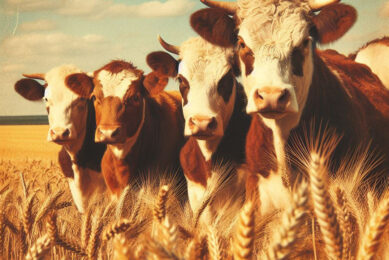
Mycotoxins in ruminants
The effects of mycotoxins in cattle may vary from
reduced weight gains or milk production, according to information from the Canadian Ministry of Agriculture, Food and Rural affairs. Read more >
Mycotoxins in horses
Although the effects of mycotoxins in horses are not
well documented in scientific literature, reports from practice may show a
different picture. Mycotoxins have been implicated with various horse health
problems, including decreased appetite, colic, abnormal liver function,
hypersensitivity, neurological disorder, and brain
lesions. Read more >
Mycotoxins in pets
When we include more cereals in dry pet food the risk
of mycotoxicoses also increases. Most obviously affected are dogs and cats, but
mainly because cases are identified. Read more >
Mycotoxins in aquaculture
The contamination of feeds and raw materials by
mycotoxins is increasing on a global basis. While the effect of mycotoxins is
well known in most terrestrial farm animals the effect of mycotoxins on
aquaculture species has not been studied extensively. Nevertheless, several
studies reported pathological signs of mycotoxin poisoning in fish and shrimp
species which can cause economic losses to the industry. Read more >
Different mycotoxin binders
The best method adopted till date to control the
mycotoxins in animal feed is the use of clayey soil of specific nature. These
clays have the capacity to bind mycotoxins in the GI tract, avoid their
absorption and ensure their elimination. Read more >
Mycotoxin test kits
Procedures for sampling and submitting grains and
feeds for laboratory analyses are important in confirming the presence of
mycotoxins. It is crucial that representative samples be collected. Small
samples of grain or complete feed should be taken at periodic intervals from a
moving auger stream. Below some companies that offer mycotoxin testing or test
kits. Read more >
Companies selling mycotoxin binders
Below we have
listed a few producers and ingredient companies and some other useful web links.
The list is not complete however, if your company is missing please send us an
email (info@allaboutfeed.net). Read more >
Internal links
Dealing with mycotoxins
Read more >
External links
A list of external links
Read more >